
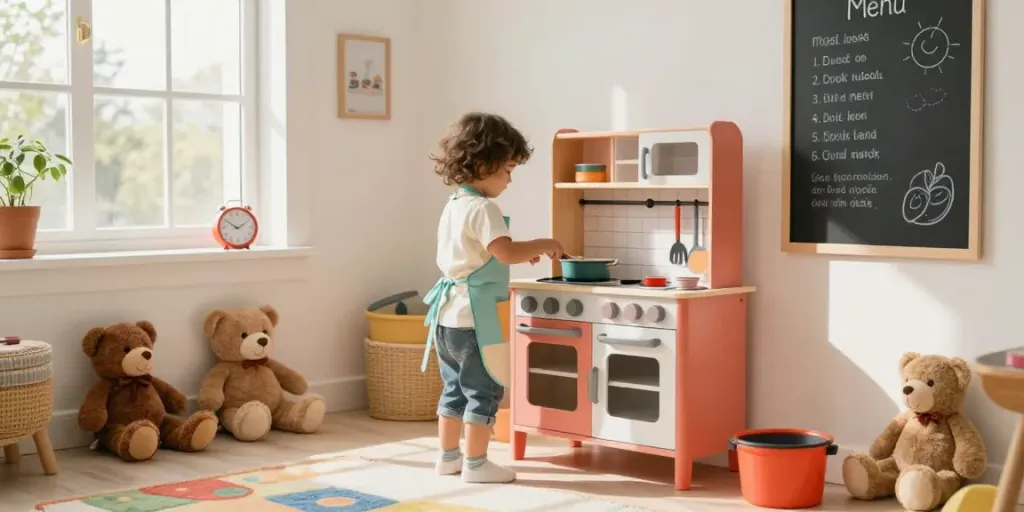
The Evolution of Toy Kitchens: Trends and Innovations in 2026
The world of children's play has seen a significant transformation over the years, and toy kitchens have remained a beloved staple of imaginative play. These miniature kitchens have evolved from basic designs to intricate setups that mimic real-life culinary experiences. As we move through 2026, new trends and innovations are shaping how toy kitchens are designed and utilised. From the adoption of eco-friendly materials to the integration of technology, the landscape of toy kitchens reflects not only children's preferences but also growing parental concerns about sustainability and educational value. When exploring options, toy kitchen sets now feature a plethora of engaging functionalities that make playtime both fun and educational.
1. Popular Features of Modern Toy Kitchens
Modern toy kitchens are designed to be as engaging as they are educational. Some of the most popular features include:
- Interactive Elements: Many toy kitchens now come equipped with sounds, lights, and realistic kitchen accessories that enhance the play experience.
- Modular Designs: A trend towards modular kitchen sets allows children to rearrange and customise their play space to fit their imaginative scenarios.
- Realistic Accessories: From play food to utensils, realistic accessories help children engage in role-play that mirrors adult cooking tasks.
2. Eco-friendly Materials in Toy Kitchen Design
As parents become increasingly concerned about the environmental impact of toys, eco-friendly materials have gained traction in the toy kitchen industry. Manufacturers are prioritising sustainable resources such as:
- Recycled plastics
- Non-toxic paints
- Natural wood sourced from sustainable forests
This shift not only appeals to environmentally conscious families but also teaches children the importance of sustainability from a young age.
3. Enhancing Imagination: Role Play and Learning Opportunities
Toy kitchens serve as a platform for imaginative play, which is crucial for a child's development. Role-playing scenarios such as cooking, serving, and sharing promote creativity and help develop critical social skills. Children learn to:
- Collaborate with peers through cooperative play.
- Communicate effectively, enhancing their language skills.
- Develop problem-solving skills as they navigate pretend cooking challenges.
Choosing the Right Toy Kitchen: A Parent's Guide
With the myriad of options available, selecting the perfect toy kitchen for your child can be daunting. However, there are key elements to consider that can simplify the decision-making process.
1. Age Appropriateness: What to Consider
Different toy kitchens cater to various age ranges, so it's essential to choose one that is age-appropriate. For toddlers, look for kitchens with fewer small parts and simpler designs, while older children may appreciate more complex setups with a variety of features and accessories.
2. Safety Standards and Certification for Toy Kitchens
Safety should always be a priority when purchasing a toy kitchen. Ensure that the kitchen adheres to safety standards, such as EN71 in Europe, which specifies stringent requirements for toys. Look for certifications and safety labels on packaging to confirm the product's safety.
3. Balancing Price and Quality in Toy Kitchen Sets
Investing in a quality toy kitchen can be beneficial in the long run. While it may be tempting to opt for the cheapest option, consider the durability and safety of the materials. A well-constructed kitchen can withstand years of play, making it a worthwhile investment.
Benefits of Pretend Play: How Toy Kitchens Foster Development
Pretend play is a vital part of childhood development, and a toy kitchen plays a significant role in fostering this type of imaginative play. The benefits are plentiful and can positively affect various areas of a child's growth.
1. Encouraging Creativity and Imagination
A toy kitchen allows children to explore their culinary creativity. They can invent recipes, create stories around mealtimes, and express their unique ideas, fostering a rich imaginative landscape.
2. Building Social Skills Through Cooperative Play
When children engage in play together using toy kitchens, they learn to interact and communicate with their peers. This cooperative play bolsters their social skills, teaching them about sharing and teamwork.
3. Enhancing Fine Motor Skills with Interactive Accessories
Using utensils, play food, and interactive elements found in toy kitchens helps children develop fine motor skills. Manipulating small items and performing actions such as pouring and stirring are excellent for hand-eye coordination.
Top Toy Kitchen Brands to Watch in 2026
As the market for toy kitchens continues to expand, several brands stand out for their commitment to quality and innovation. Here are some of the top brands to keep an eye on:
1. Innovative Products from Leading Manufacturers
Brand leaders like Melissa & Doug and Little Tikes are renowned for their high-quality toy kitchens that inspire creativity and play. These companies continually innovate, offering new features or enhanced designs that captivate young audiences.
2. Emerging Brands Gaining Popularity
Newer entrants in the market, such as Tiny Land, are making waves with beautifully crafted wooden kitchens that prioritise both aesthetics and functionality. These brands often offer unique designs that stand out from traditional plastic options.
3. Comparative Review of Price Points and Features
When comparing toy kitchens, it's essential to consider both price and features. While higher-priced items often reflect quality and durability, there are budget-friendly options that also provide engaging play experiences. A comparative review can help parents make informed choices.
Future Trends in Toy Kitchens: What to Expect Beyond 2026
The future of toy kitchens is ripe with potential as manufacturers continue to innovate and adapt to changing consumer preferences. Here are some anticipated trends:
1. Technological Integration in Play Kitchens
As technology becomes more prevalent in children's toys, we can expect to see increased integration of digital features within toy kitchens. Options such as interactive apps that accompany real-world play or augmented reality experiences may emerge.
2. Sustainability and Its Role in Future Design
With environmental concerns at the forefront, future toy kitchen designs will likely emphasise sustainable practices. Brands may adopt more eco-friendly materials and focus on creating products that encourage environmental stewardship among children.
3. Predictions for the Next Generation of Toys
The next generation of toy kitchens may incorporate smart features, integrating with home devices to enhance play. Predictive trends suggest that these kitchens will not only simulate cooking but also provide educational content that teaches children about nutrition and meal preparation.
What Makes a Great Toy Kitchen for Toddlers?
A great toy kitchen for toddlers should be sturdy, safe, and easy to operate. Look for features such as rounded edges, non-toxic materials, and a design that allows for independent play, promoting autonomy while ensuring safety.
How to Clean and Maintain Toy Kitchen Sets?
Keeping a toy kitchen in good condition is essential for ensuring safety and longevity. Regularly clean surfaces with mild soap and water, and inspect for any broken parts. Proper maintenance not only keeps the toy hygienic but also prolongs its usability.
Where to Buy the Best Toy Kitchens in 2026?
Consumers can find high-quality toy kitchens at various retailers, both online and in-store. Websites like Costway offer extensive selections of toy kitchens, showcasing a range of features and designs suitable for any child's play preferences.
Can Toy Kitchens Enhance Family Bonding?
Engaging in play with a toy kitchen can significantly enhance family bonding. Cooking together in a pretend setting allows families to create memories, share stories, and build connections through imaginative play.
What Are the Most Popular Accessories for Toy Kitchens?
Accessories such as play food, utensils, and cleaning sets are popular among children. These items not only enhance the play experience but also provide additional learning opportunities, encouraging children to explore various aspects of kitchen life.